Retiring Here
I’m retiring to Cape Coral from up north. What should I do first?
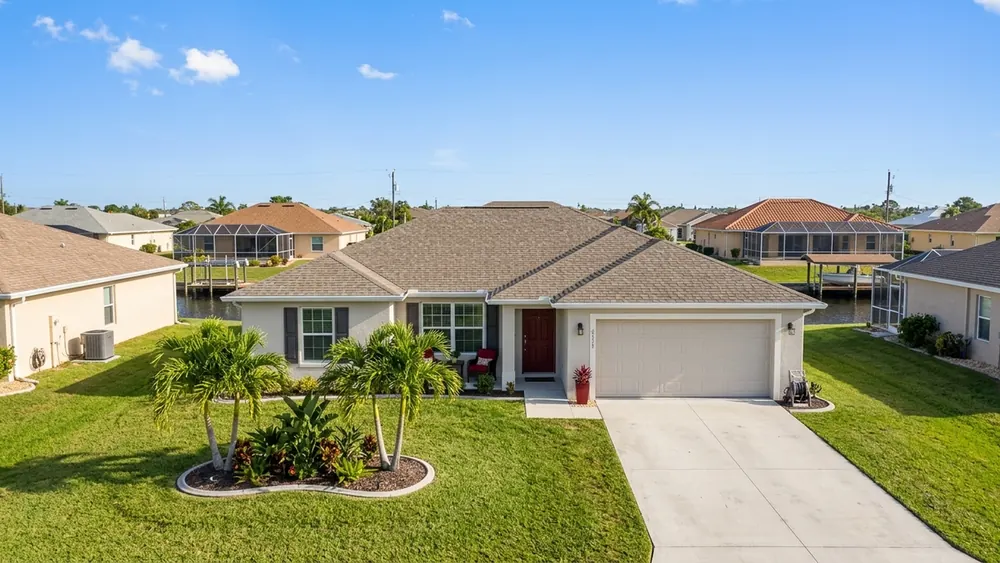
Before you shortlist homes, visit Cape Coral in more than one season, get input from a licensed insurance agent, decide on water or not, and choose full-time or seasonal use. Those answers shape which houses are worth seeing.
On this page
Start with the plan, not the listings
The first thing to do when you’re retiring to Cape Coral from up north is to slow down before you look at houses. Visit in more than one season, get input from a licensed insurance agent, decide whether you want a home on the water, and choose between full-time and seasonal use. Those few decisions come first because every house you look at afterward gets measured against them. Get them roughly settled, and the search gets shorter and calmer.
It’s tempting to start with listings. Photos are easy to scroll from another state, and a pool and a lanai can look like the whole answer. But a house you love on a screen can turn out to be the wrong fit once you know what coverage might cost, how much upkeep it needs, or how you’ll actually use it. Sorting out the plan first keeps you from falling for the house before you’ve checked it. It also makes every showing more useful, because you know what to look for.
Julie made the move from Minnesota to Cape Coral and remembers how many decisions land at once. The order matters more than the speed. If you check the insurance, the water, and the house in that order, the offer conversation later is much simpler, because you already know what you’re buying and why it fits the life you’re planning here.
Visit in more than one season
A single winter trip shows you Cape Coral at one moment. Coming back at a different time of year shows you how a house and a street feel when the weather, the light, and the daily routine change. You don’t need to rent for months. A couple of planned visits with a short list of things to notice will tell you a lot more than a vacation will. Keep notes on each house you see, because they blur together fast. On each visit, pay attention to these.
- How a home’s layout, shade, and lanai feel at different times of day
- What upkeep the yard, pool, and enclosure seem to need across the year
- How far your everyday errands feel from the homes you’re considering
- Whether a home on the water or an inland home fits your routine
Get insurance input before you shortlist
In Cape Coral, insurance can change what a home really costs, so talk with a licensed insurance agent before you settle on a shortlist, not after you’ve picked a house. Coverage depends on the specific property, and it changes over time, so nobody can give you a general figure that holds, and you shouldn’t plan around one you heard secondhand. What you can do early is learn which features to ask about. Bring these questions to that first conversation.
- Which features of a specific home tend to affect coverage the most
- How the age and condition of the roof could change the picture
- What changes for a home on the water compared with an inland home
- Whether a pool, enclosure, or detached structure changes what’s needed
- How coverage might differ if the home sits empty part of the year
Decide on water or not, and how much house
Next, decide whether you want a home on the water. If you plan to boat, a home with gulf access may be at the top of your list. Being on the water also brings its own list of things to check, like the dock, the seawall, the route to open water, and any permits for past work. If boating isn’t part of your plan, an inland home can keep that list shorter. The City of Cape Coral and a marine professional are the right sources for any route, dock, or seawall question.
Then think about how much house you want to look after. A single-story layout, a smaller yard, or a condo instead of a single-family home can change how much time you spend on upkeep. A pool is a real decision too, with its own equipment, enclosure, and care. None of these is right or wrong. They’re choices to make on purpose, before a listing makes them for you. A licensed home inspector can tell you about the condition of any home you get serious about.
SE, SW, and NW Cape Coral are a useful way to read the map once you know what you want. Use them to sort homes by property features such as water or not, lot type, and home style. The map helps you narrow the search, but your priorities do the real work. Start with what you need from the house, then let the map show you where those homes are.
Choose full-time or seasonal use early
Whether you plan to live in Cape Coral full-time or only part of the year changes a lot. It affects how you think about upkeep while you’re away, insurance, and any homestead questions. If you’ll be up north for part of the year, you’ll want a plan for who checks on the home, the pool, and the yard. A full-time move puts more weight on how the house works for everyday life, from the kitchen to the garage to the shade on the lanai.
Homestead and property tax questions belong with official sources, not with a neighbor’s story or a forum post. The Lee County Property Appraiser and the Lee County Tax Collector are the places to confirm how those rules apply to you, because they change and they depend on your situation. Write your questions down early so you can ask them before they affect a decision about which home to buy.
When I moved here from Minnesota, I learned that the order matters. Check the insurance, the water, and the house first. Then we can talk about the offer.
Timing the sale of your home up north
Many people retiring to Cape Coral also have a home to sell somewhere else. Start planning the Cape Coral side well before you list that home, so you’re not making both decisions in a rush. Knowing your must-haves, your insurance questions, and your full-time or seasonal plan means you can move quickly when the right house appears, without skipping steps you’ll wish you’d taken. It also keeps a sale up north from setting the pace for a purchase down here.
How the two sales and purchases line up depends on your finances, so a lender is the right person to talk through financing and timing for the purchase. A title company handles the closing side, and a real estate attorney is the person for contract or legal questions. Keep notes on who answered each question and when, because the answers can change as your plans come together. Bring the same questions back if your plans shift.
What to gather before a first conversation
You don’t need a finished plan to start. A rough picture is enough, and it’s easier to fill in the gaps once you’ve talked it through. Before that first conversation, write down whether you’re leaning toward full-time or seasonal use, whether you want to be on the water, whether a pool is on the list, and how much upkeep you’re happy to take on. Add the features you won’t give up and the ones you could live without.
Add the questions you’ve already collected for a licensed insurance agent, a lender, and the Lee County offices, along with any notes from your visits. If you’re searching from out of state, list the things a video tour can’t show you, like the condition of a dock or how a lanai feels in the afternoon, so you can check them in person on one focused visit. A clear list makes that trip count.
Julie is a Florida real estate agent with Starlink Realty, Inc. who lives in Cape Coral and works across the city, and can help you put these steps in order for your own move. There’s no pressure and no need to have it all figured out. Which part of your move to Cape Coral feels least clear right now?
This article is general information about buying and selling property in Cape Coral and Lee County, Florida. It is not legal, tax, insurance, lending, valuation or inspection advice and does not predict prices or promise results. Confirm insurance with a licensed insurance agent, water routes, docks, seawalls and permits with the City of Cape Coral and a marine professional, condition with a licensed inspector, homestead and taxes with the Lee County Property Appraiser and Tax Collector, and financing with a lender. Julie Kubic, Starlink Realty, Inc.

Written by