Home Sellers
Is fall a good time to sell in Cape Coral, or should I wait for season?
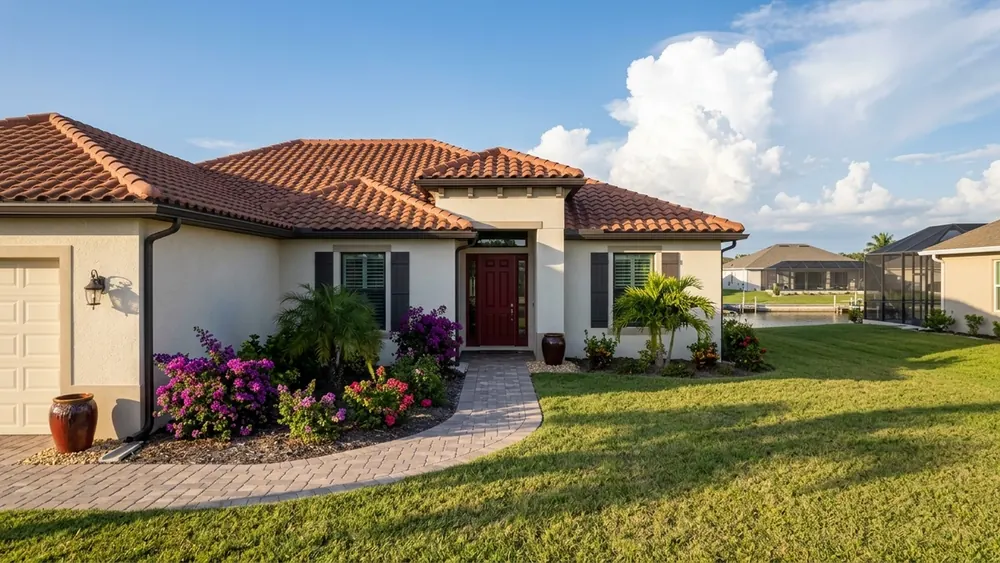
No calendar answer fits every home. Weigh your own plans, your home’s readiness, and current, dated market data for homes like yours, rather than a general belief about season, before you choose when to list in Cape Coral.
On this page
- Your situation matters more than the calendar
- Start with what you can control
- How to read current market data for timing
- Weighing a fall listing against waiting
- Assumptions that cause timing surprises
- Who answers each timing question
- Using the time before you list
- Bring your timing question to a conversation
Your situation matters more than the calendar
Whether to list in fall or wait for season in Cape Coral depends more on your own plans and your home’s readiness than on the calendar. No one can tell you which month will bring the outcome you want, and this article will not try. What you can do is weigh what you control, read current, dated market information for homes like yours, and choose the timing that fits your life. That is a decision, not a forecast.
This matters because timing advice often sounds certain. You may hear firm opinions in both directions, from neighbors, friends, and headlines. Each one skips the details of your house, your next move, and what is actually competing for buyers right now. Acting on a general belief instead of your own facts can leave you listing before you are ready, or waiting on a pattern that may not show up the way you expected.
Seasonal timing comes up in almost every Cape Coral selling conversation, and it is a fair question to ask. It just works well as one input among several. How the calendar plays out in any given stretch, for your kind of home, is something to check with current figures rather than assume. The rest of this article walks through what to weigh, in what order, and who answers each part.
Start with what you can control
Before thinking about buyers, think about you. When do you need to be out of the house? Are you buying another home, here or up north, and does that purchase depend on this sale? Will you be in Cape Coral during the listing, or managing it from another state? Your answers set the window you are working with, and that window may matter more than any general pattern you hear about.
Next, look at the house. A home that is ready to show, with repairs done and records gathered, can list when your plans say go. A home that still needs work on the roof, the pool, the enclosure, or the systems may benefit from using the time you have to get it ready, whatever the season. Listing before the house is ready, just to catch a date on the calendar, can invite the buyer pushback and price cuts sellers most want to avoid.
Pick a listing date after you know your plans and your house is ready. The calendar is one input. Your situation and current, dated numbers come first.
How to read current market data for timing
If you want to factor in the market, use the same measures Julie tracks in Cape Coral market snapshots: inventory, days on market, price cuts, and median list price. Look at each one with a date and a named source, and compare the same measures across recent months. One snapshot tells you very little about timing. A sequence of them shows how buyer choice and buyer pace have been moving lately.
Narrow the data to homes like yours. Waterfront and inland homes, pool homes and homes without pools, condos and single-family homes can behave differently at the same moment. A broad citywide figure may hide what is happening in your segment. Ask for comparable sales and current competition that match your home’s features and location, whether you are in SE, SW, or NW Cape Coral.
Then be honest about what the data can and cannot say. Past months describe what already happened. They do not tell you what next month will bring, and anyone who claims to know is guessing. Use the numbers to understand today’s competition and buyer behavior, then make a timing decision you are comfortable with, whatever the next stretch of the market turns out to look like.
Weighing a fall listing against waiting
Rather than predicting, think about how each window would feel for you. Listing in fall might mean your home is on the market while you are still in town to handle showings, repairs, and paperwork. Waiting for season might give you more time to finish projects and gather records. Either choice has trade-offs, and those trade-offs are personal: your schedule, your carrying costs, your next home, and how much uncertainty you are comfortable holding.
Competition is the other piece to weigh. Whatever month you list, your home is compared with what else is available that week. Ask how many similar homes are on the market now, how long they have been sitting, and whether they have reduced. That picture, read with dates attached, says more about your timing than a general belief about any season, and it can be checked again as your listing date gets closer.
Assumptions that cause timing surprises
A few beliefs about timing lead sellers into decisions they would not otherwise make. They come from neighbors, headlines, and past experience, and none of them is a rule. Each one sounds reasonable, which is why it is easy to carry into a listing conversation without checking it first. Spotting them early keeps your plan grounded in your own facts rather than in someone else’s story.
- Assuming that waiting for season will automatically bring a higher price
- Assuming a fall listing means fewer serious buyers will see your home
- Assuming that last year’s pattern will repeat the same way this year
- Assuming the right month can make up for a home that is not ready
Each of these can be tested against your situation and current, dated information. The goal is not to find a perfect month, because no one can name one in advance, but to choose a window you can live with and prepare the house well for it. Ask for the reasoning behind any timing advice you hear, including Julie’s, and look for dates and sources behind the numbers.
Who answers each timing question
Timing touches more than the market. Your next home, your financing, your insurance, and your taxes may all be part of the decision, and each belongs with a different source. Sorting the questions ahead of time keeps one opinion from standing in for an official answer, and it helps you see which parts of the timing decision are really yours to make and which depend on someone else.
| Question | Why it matters | Who to ask |
|---|---|---|
| What is competing with my home now | Shows current buyer choice for similar homes | Julie, with dated listing data |
| What does closing involve | Affects your move and your next purchase | A title company |
| Do my insurance or carrying costs change | Shapes how long you can comfortably wait | A licensed insurance agent |
| Are there tax or homestead questions | Rules depend on your situation and change | The Lee County Property Appraiser and Tax Collector |
| Can I buy before I sell | Financing can set your real timeline | A lender |
Write down each answer with the date you received it. Rules, costs, and market conditions change, so an answer from a while ago may need checking again before you commit to a listing date. If a legal or contract question comes up, a real estate attorney is the right source. Keeping a dated record makes the final decision feel less like a guess and more like a plan you can explain.
Using the time before you list
Whichever window you choose, the stretch before listing is valuable. Use it to fix what an inspector is likely to flag, service the pool and equipment, tidy the enclosure, and gather records on the roof, systems, and any permitted work. If you are on the water, collect what you know about the dock and seawall, and leave route and condition questions to the City of Cape Coral or a marine professional.
Use the time for paperwork too. Find your permits, warranties, receipts, and insurance documents, so buyers and their insurance agents get answers quickly. If you plan to be away while the home is listed, decide who will handle showing access, upkeep, and the pool while you are gone. Preparation like this travels well: it helps in fall, in season, or any time in between, because a ready house is ready whenever you list.
Bring your timing question to a conversation
Before a first conversation about timing, write down your must-move date if you have one, your plans for the next home, whether you will be in Cape Coral during the listing, and what you know about your home’s condition. Note any repairs you have been putting off and any records you still need to find. Those few lines turn a vague question about season into a practical plan you can actually discuss.
If you are weighing a fall listing against waiting for season, bring that question to Julie, a Florida real estate agent with Starlink Realty, Inc., who lives in Cape Coral and shares dated market snapshots. The conversation looks at your plans, your house, and current numbers, with no forecast and no promise on price or timing. What would need to be true for you to feel ready to list?
This article is general information about buying and selling property in Cape Coral and Lee County, Florida. It is not legal, tax, insurance, lending, valuation or inspection advice and does not predict prices or promise results. Confirm insurance with a licensed insurance agent, water routes, docks, seawalls and permits with the City of Cape Coral and a marine professional, condition with a licensed inspector, homestead and taxes with the Lee County Property Appraiser and Tax Collector, and financing with a lender. Julie Kubic, Starlink Realty, Inc.

Written by